In Horoma's Head 18
Here we are, end of June.
I generally take notes throughout the month for things I want to talk about in this newsletter. For some reason this whole month flew by without me writing down a single thing in my notes. How odd.
It's all the more odd since there are definitely a couple of things worth sharing that have been happening. So let's focus on one for now. This newsletter will probably be shorter (actually it isn't), we'll see.
Last newsletter I was showing some examples of Imagen, a new competitor to DALL-E. Some days later after sending out the newsletter I started seeing visuals done by another competitor : MidJourney.
I haven't wrapped my head around exactly how this tool will change the way I work, if it even will, or if it will just impact the way I spend my freetime.
There are several aspects though that really made this first dive in MidJourney very refreshing :
🐏🐏🐏
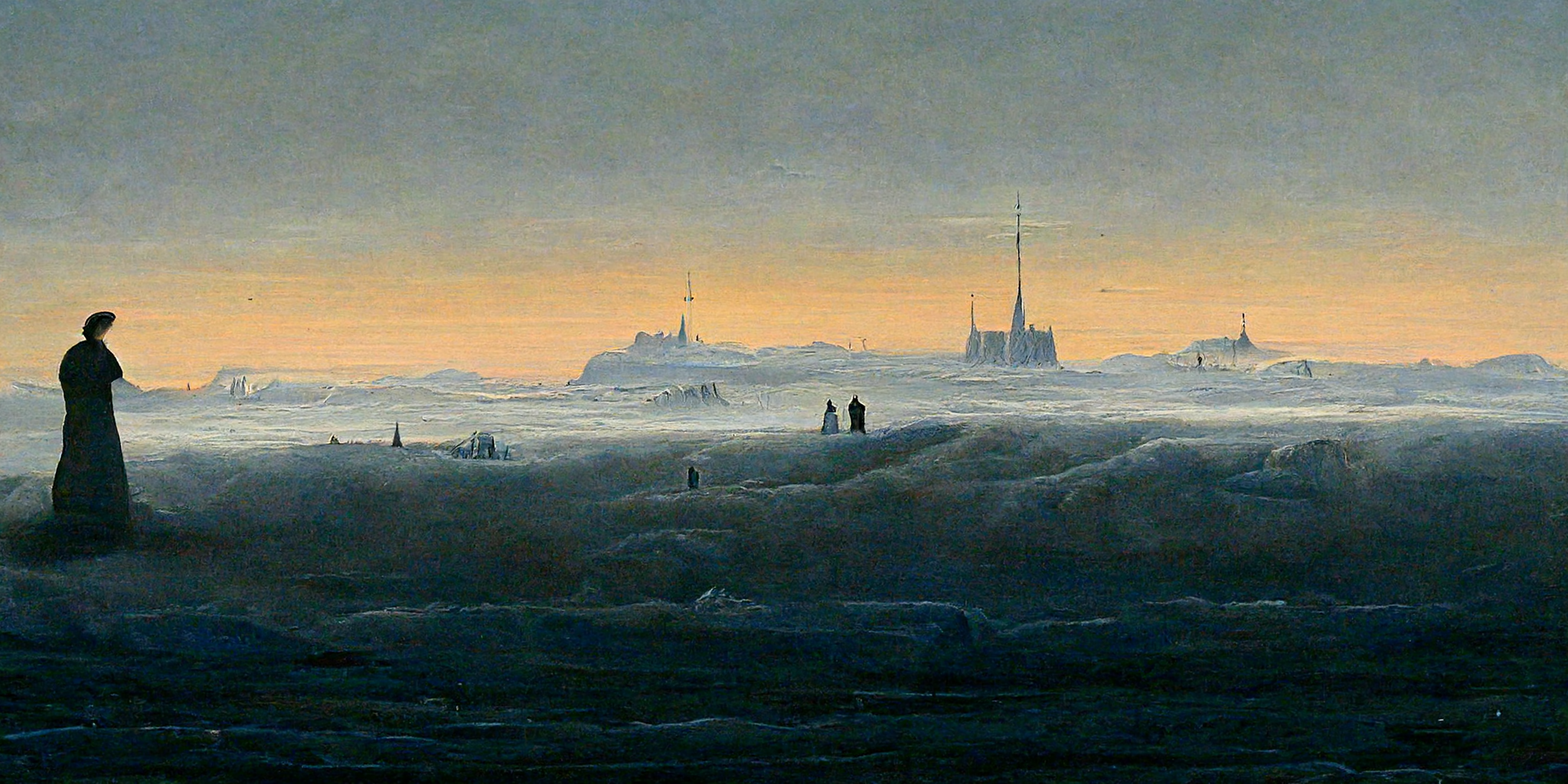
New Community
In order to successfully get invited, I had to join the official FB group and get in touch with people. It was the first time in a while where I feel like I was joining something very new and dynamic (quite akin to joining crypto groups 5-10 years ago). While I do enjoy archviz groups, most tend to be quite dead and inactive, and filled with repetitive content. I think this also stems from the fact that the profile of archviz artists is very homogenous (even though we'd like to think it's not). MJ comunity has this interesting aspect that people with completely different background, and completely different artistic ability, can still use the software and generate potentially great images. Out of the top of my head I know that on the group you can find archviz artists, art director, museum scenographer, journalist, AI-engineer, concept artists, matte painters, traditional painters, fiction writers, script writers, video game designers, and many more diverse profiles that I haven't noticed yet. This is genuinely thrilling and leads to a much wider variety of visuals than what you would get on archviz community, or even just "rendering" community.
This is a direct consequence of the ease of use of MJ and the fact that it requires no technical knowledge to get some decent looking outputs.
And if I were to draw a potential parallel, as rendering engines are getting easier and easier to use (3D software are unfortunately not following the same curve as 3ds max is still what I'd call a "piece of sh*t software") it would actually be interesting to see more and more original profiles emerge in the industry. This would for sure drive creativity up through the roof. We are not quite there yet, but MJ gives us an interesting glimpse on what kind of community this could build, and this is definitely something I'd be looking forward to.
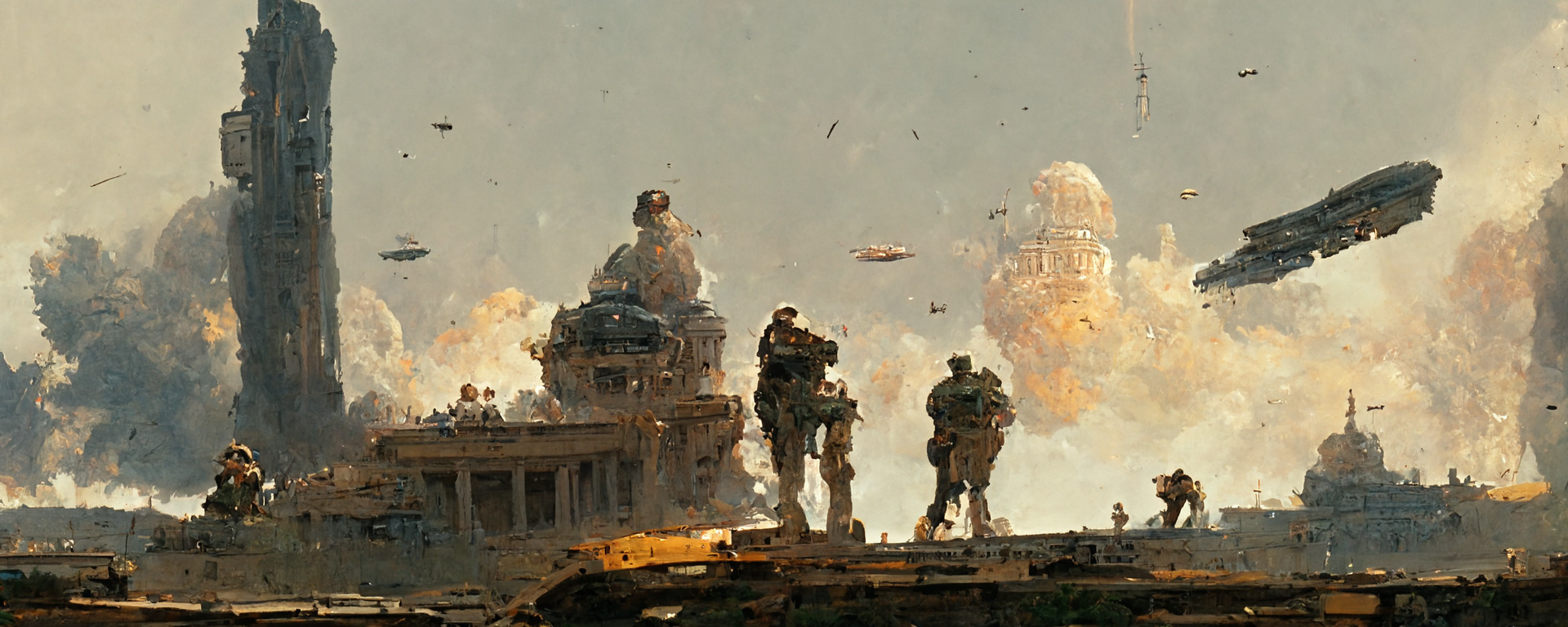
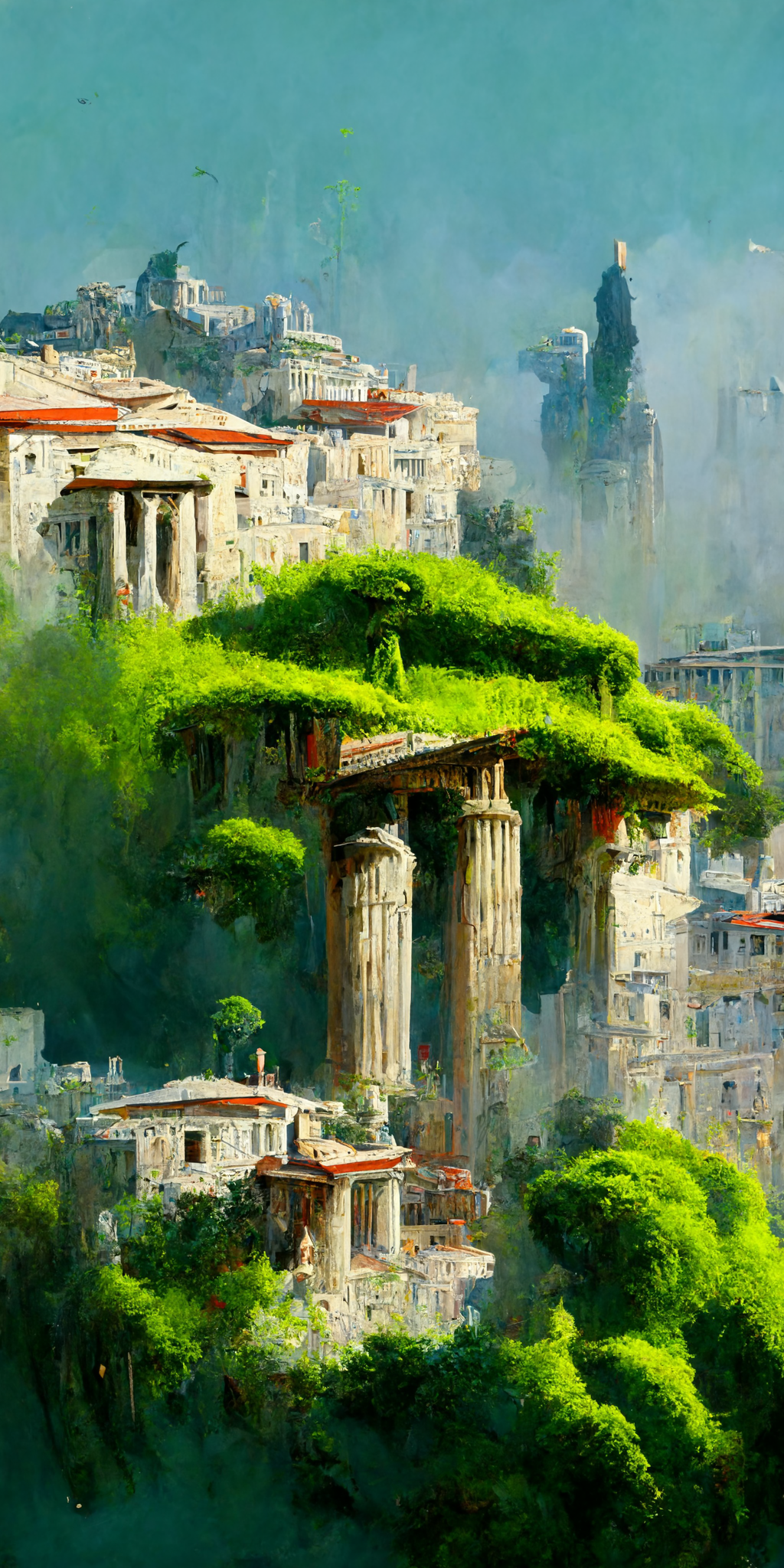
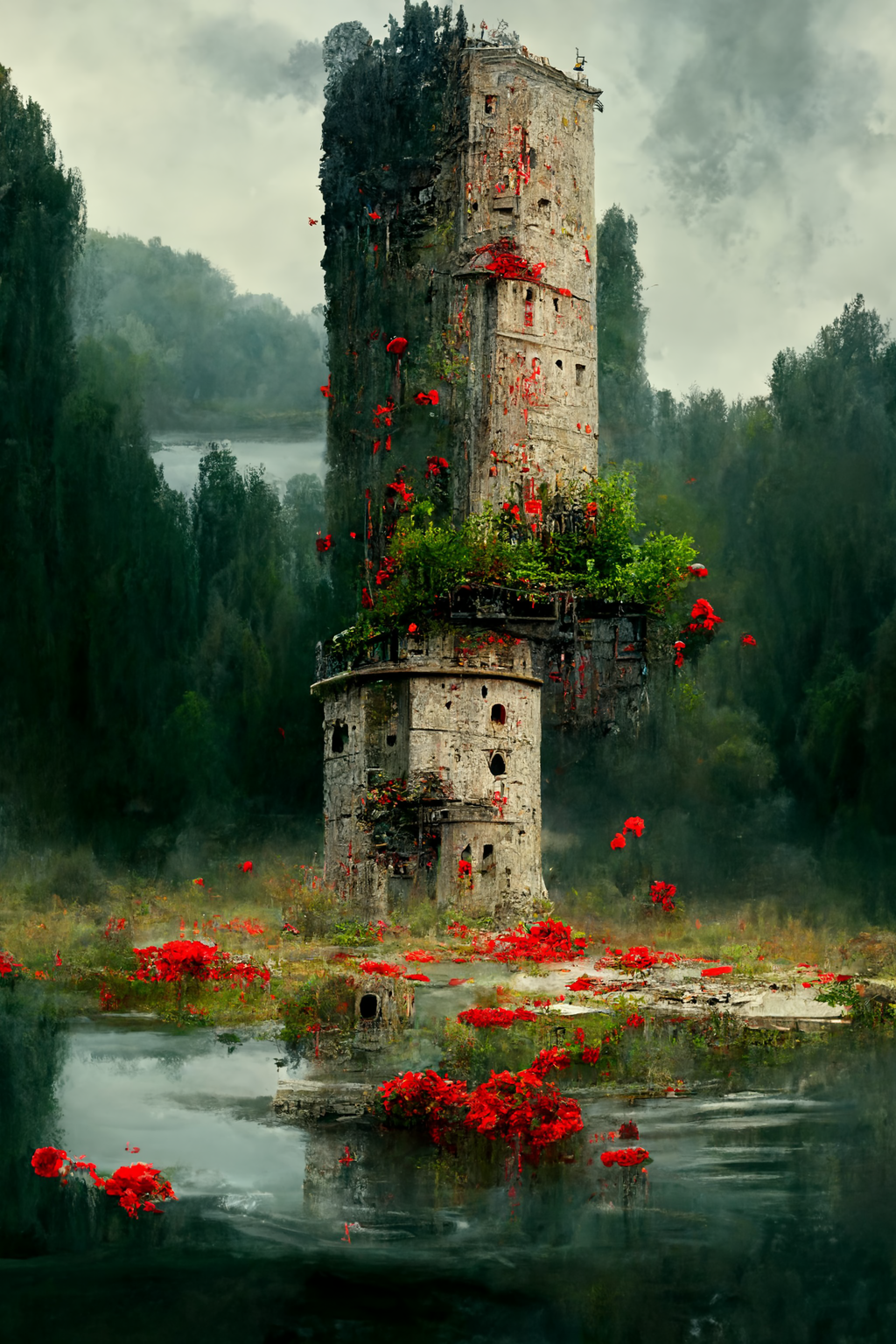
New ways of making and new expertise
Now about the tool itself. A text to image software creates an interesting shift in how we make images and how we envision them. And, of course, just like for any tool, some people will manage to leverage their power efficiently, and others won't. Finding the right text prompt is actually not the easiest of the task. And I'm not even talking about the culling (or choosing) aspect yet. What this means, and this is actually something I extensively cover in my course, is that you need to have an accurate way of describing what you're after. WIthout a clear picture in mind and a clear way of describing it with the proper technical, or abstract, words, you can't build that picture. MJ is no different than a standard image in that sense. The major difference is that generating images takes seconds, while actually painting or modelling/rendering those iterations would be much more time consuming.
This whole shift in perspective and in expertise is very pleasant to see, as the consequence is that laypeople that express themselves efficiently and clearly can actually get better result than an artist that is lacking this ability to express themselves (basically because they were more atune to express themselves through visuals rather than words).
As mentioned above though, there's still the culling aspect, or perception aspect, what some will just call "having an eye for it". Interestingly the culling phase is much more demanding in MJ than it would be in a traditional 3D software, because everything seems to look great. The reality is it doesn't. And this is something you can tell with people that will pick up the first option, upscale it, and call it a day thinking it looks great. It actually is no different than the curve 3D software have been taking lately with the ease of use of rendering. An image looks technically correct, so it has to be a good image. Of course it's not that easy. So MJ actually has this interesting feature of pushing the need for a more accurate and critical look at what you are creating. MJ could actually be used not as an ideation tool, but as a very advanced tool for composition critiquing by feeding you many options to sort out and choose from. Definitely something I'll try to leverage for my course actually.
New tool, new workflows
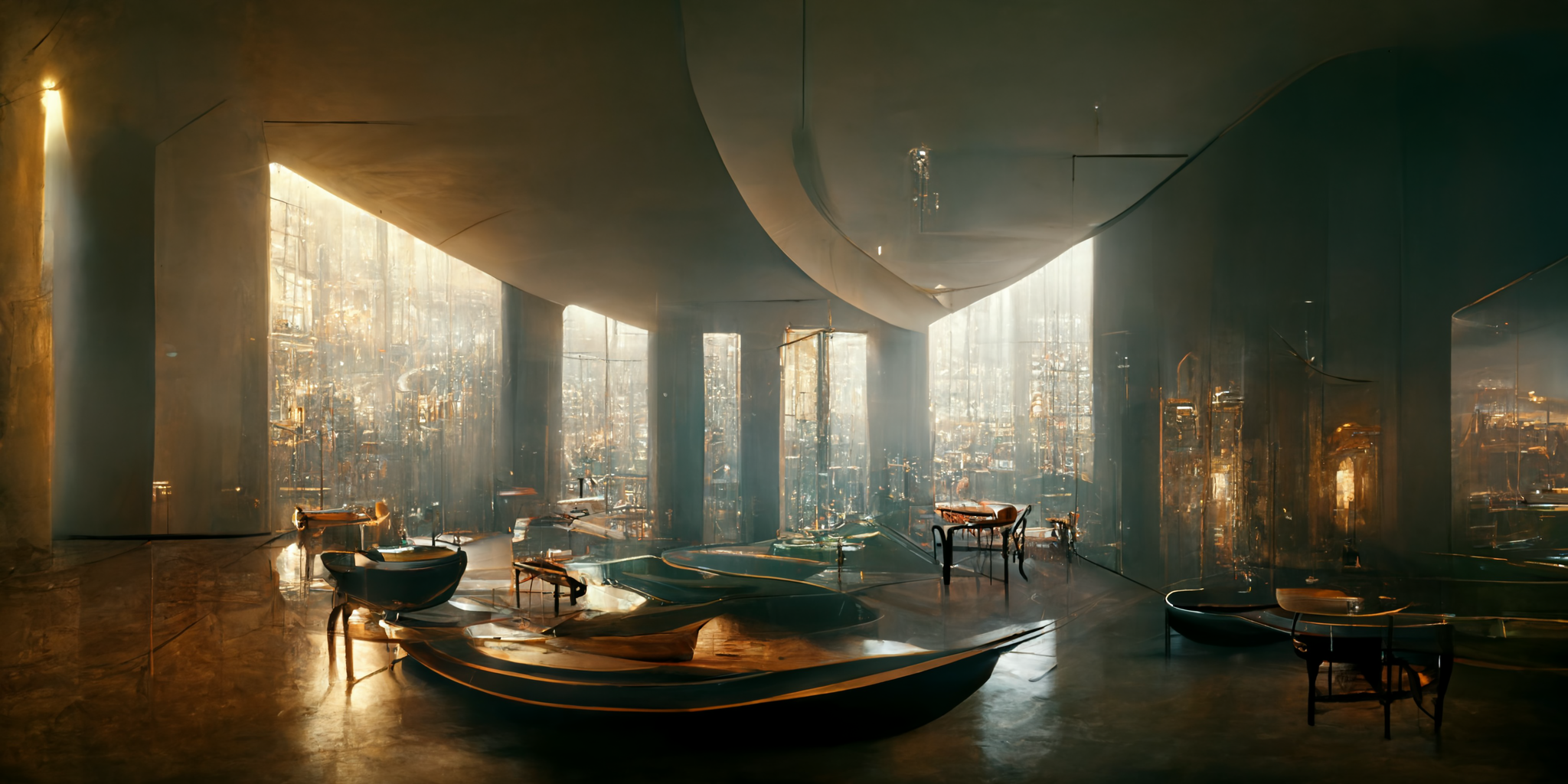
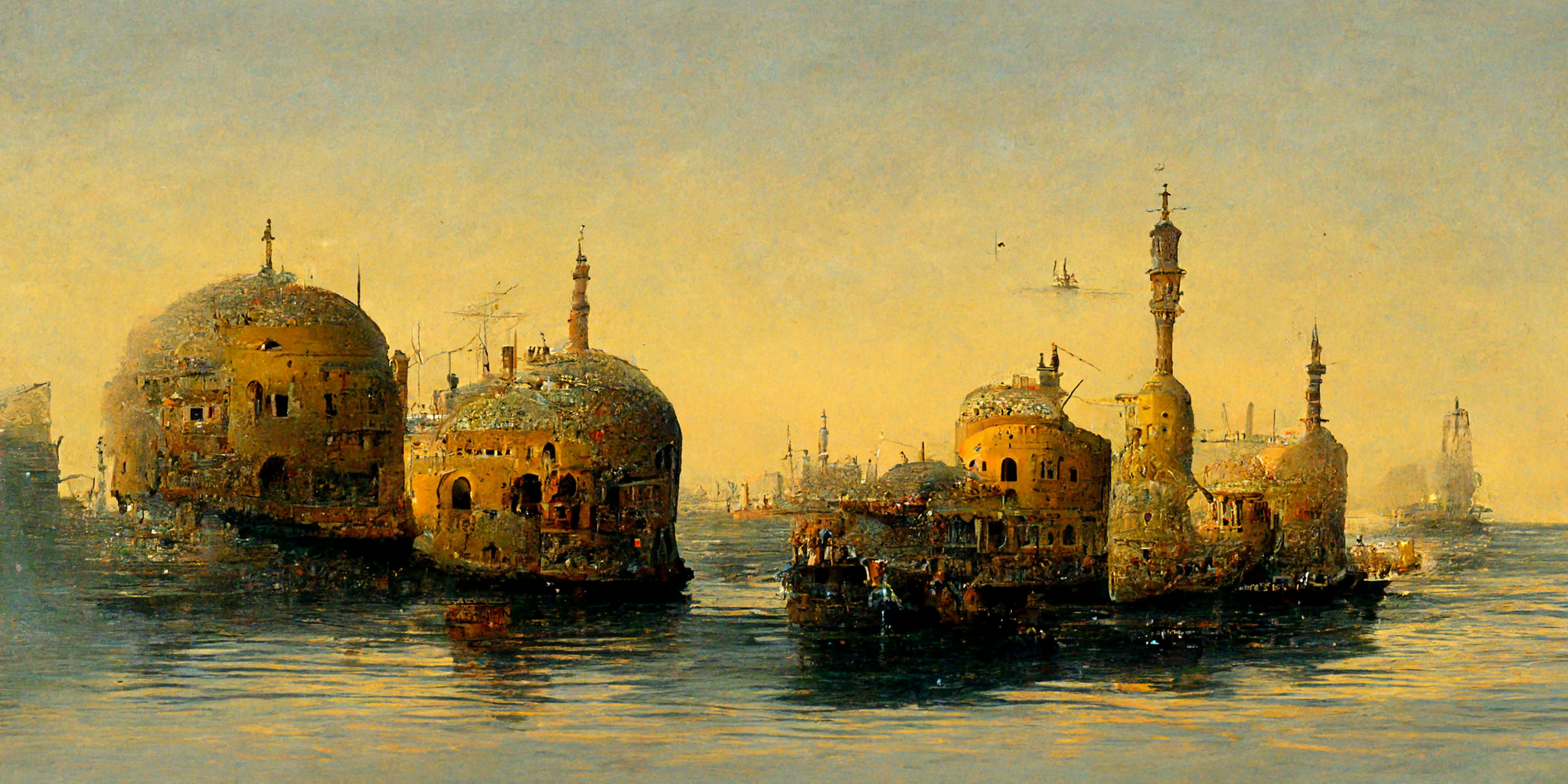
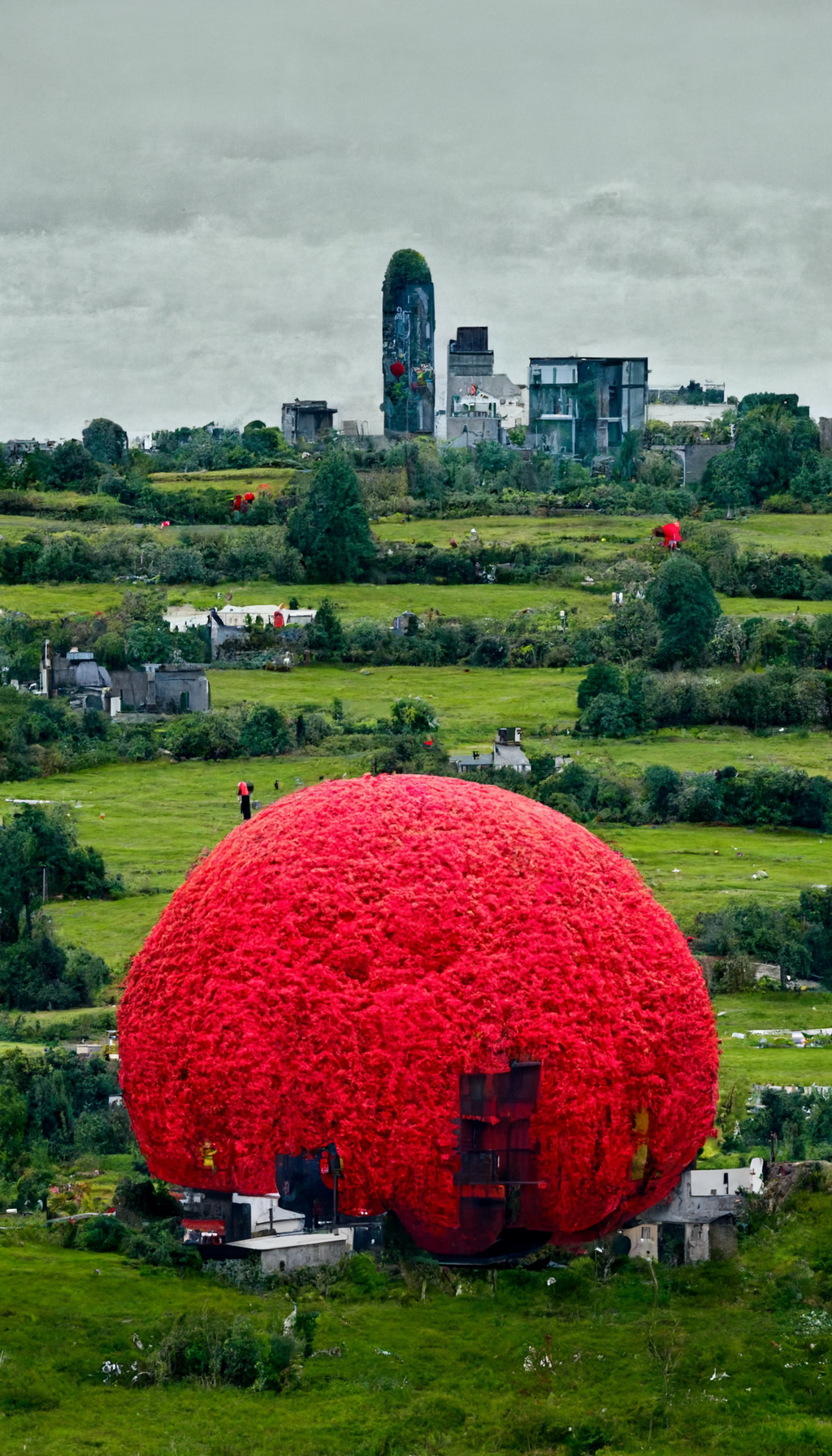
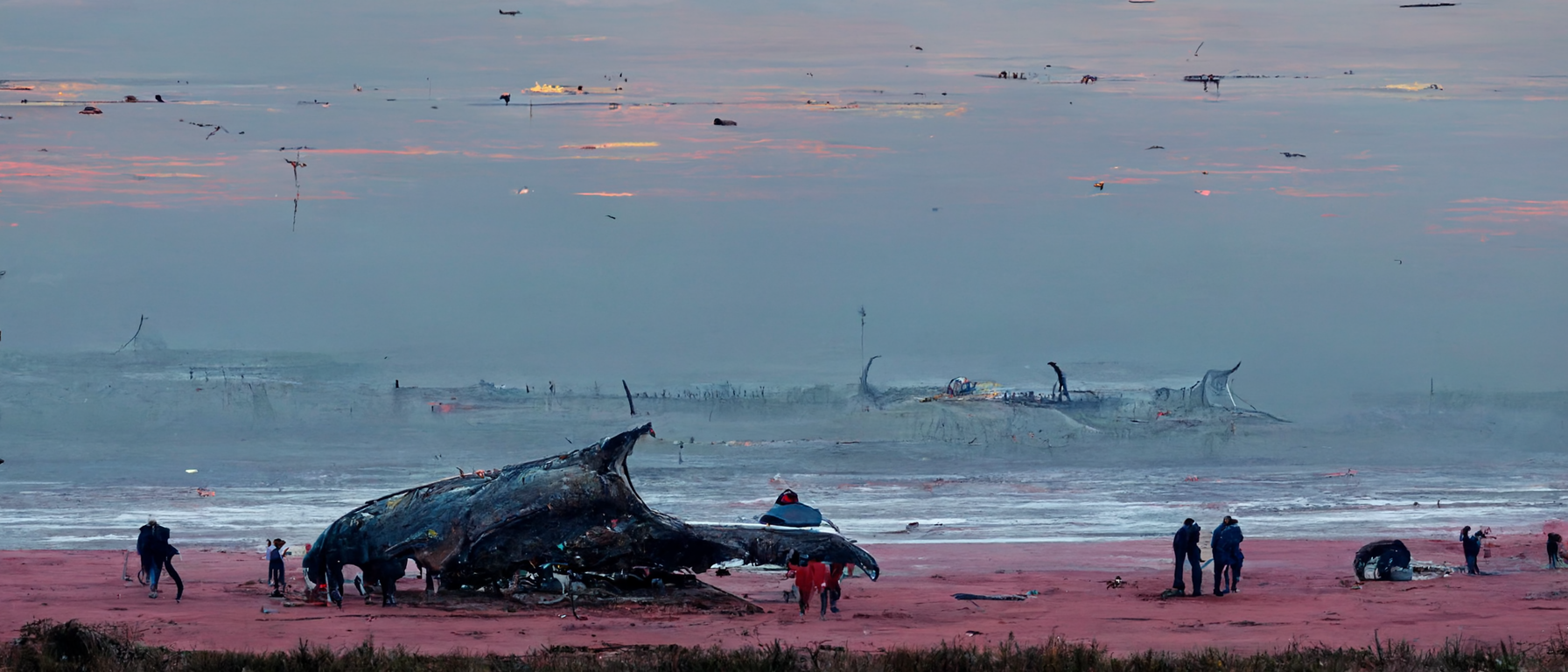
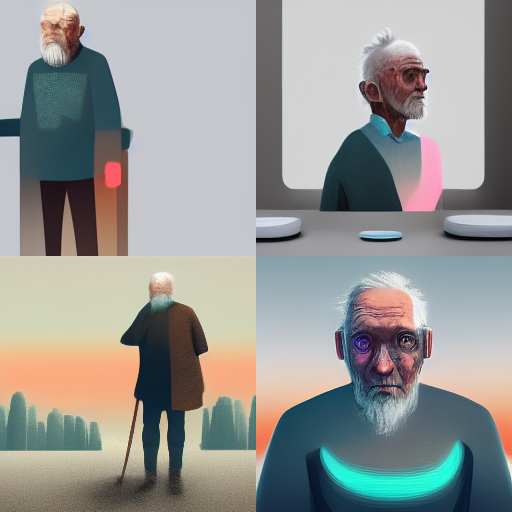
I haven't had the time to experiment as much as I'd like (the images in these posts are mine and are clearly not as refined as they could be), nor to expand MJ's use outside of the boundaries of Discord (take it into PS, or 3ds and whatnot), but scrolling through the main FB group or Instagram post we can already see that 1. MJ is very young and that the AI is still learning and being tweaked a lot 2. The realm of possibility is virtually endless and I can't wait to see how for example it might be possible to feed it simple 3D draft of a project through image prompt and get back a nicely lit and set-dressed draft ready for review. There actually was a poll showing that some professionals are already actively using MJ in their pipeline for different purposes (ideation, texture generation, book illustration, etc) and these use cases will of course keep on growing.
I've been a bit busy throughout this month and it'll carry on until the end of Summer unfortunately (I'm still recording the new version of my course and this is taking about 12942090 times more time than what I expected), but I'm looking forward to sitting down again with some ideas I've explored already, or gathered over the time (book excerpts, rendering ideas I had for a while, etc) and see how far I can take all this and how to incorporate that into my daily workflow, or if it'll stay as a hobbie tool and nothing more. Time will tell.
New questions (IP, evolution of the job, and more)
Being in a new community and using a new tool also tend to raise new questions, or at least shift the perspective on certain topics. While most of the archviz groups I follow tend to be very "image focused" and not "industry focused", many topics raised by the use of MJ were organically tackled and discussed within the community. I won't go as far as saying the discussion was necessarily valuable - and it doesn't have to be anyway - but it's a healthy thing to witness than to question more broadly the industry you're evolving in.
The two main topics that were most commonly raised were "we're all going to lose our job" and "what about IP?!"
My two cents on the matter :
As stated above, on top of necessitating a new specific expertise to properly prompt the images you want, there's also a huge amount of work required in the culling process, and that work can only be done by someone with a proper understanding of composition and how images are perceived by the public. So while MJ can most probably have an impact in the workflow itself, and create a shift in the expertise needed, there is still aspects of the job that can't be done by "everyone". And then it all comes down to the client, which is willing, or not, to pay for that expertise. Some people are happy with subpar images today, and will be happy with sub par MJ generated images tomorrow. And people that are after great images today, will be after great MJ generated images tomorrow.
IP is a fun topic for me as it seems that I'm one of the few (in the artist industry I mean) that is against it. For a proper rundown of why IP brings almost only negatives and no positives, I highly suggest reading Against Intellectual Property by Stephan Kinsella.
Oh actually I forgot a big one. What is art? AI is not art!
If I were to sum up the typical arguments I hear why AI is not making art, or why people using AI are not making art it would be : 1. It's too simple! You're just typing woooords 2. It's just mishmashing references
1. If the value of art resides in how complicated it is and how much effort it takes, then to enjoy a painting I would not need a heart and brain, but a simple report of how long the painter spent painting, and how bad he or she felt at the end of this task. Sounds great.
2. Yes AI is basically mishmashing references, and so are we when we create new images, and so have all the artists in the world practiced in the past. Nobody starts from a blank canvas. Nobody should start from a blank canvas. This is what Isaac Newton (not the original author though I think) meant with the idea of "standing on the shoulders of giants". Whether it's conscious or unconscious, even your "best work" can be tied back to stuff that has been done decades or centuries ago. Maybe AI just has more humility than we do after all.
The question, to me, also comes down to : does it even matter?
How bad habits stick
I'll finish on a negative note, because why not.
For every new tool that works very fast there will always be typical drawbacks that is happening already with the use of social media and the quest of instant gratification.
MJ is lightning fast. It paints hours of work that would need years of expertise in seconds. And yet, you will always have people complaining about sometimes MJ requiring some minutes to send you back the result, or how some things are just "not looking quite right and it's unimaginable". How fun when we know that proper interactive rendering is not even a decade old, and that real-time engines that don't look ugly are very recent. I wouldn't be able to paint anything I've done in MJ even if I spent the next 10 years practicing matte painting consistently.
The fact that it's lightning fast and enables fast iterations, also creates this very weird loop where you end up not even really paying attention to what you're generating. This is not as bad as scrolling on instagram because you're the one actively generating the fun thing, not just passively looking, but it still creates this weird relationship where things just go too fast for them to be analyzed, pondered and enjoyed.
This is actually why I end up using MJ only in /relax mode (meaning low priority) rather than /fast mode... because otherwise my excitement takes over actually properly thinking what should be the next step and what is presented in front of my eyes. Maybe it's just me because my brain is dead after so many years in front of slow 3ds max, but I think it's more common than we'd like to admit.
That'll be all for now. I highly suggest trying it out, literally whatever is your field of expertise, or even if you're not an expert in anything. MJ really is a first door into our own thoughts and can help putting visuals on what crosses our mind almost effortlessly. This is something worth exploring and cherishing... in /relax mode.
Cheers
Simon